
Super Bees Academy | Costa Mesa, CA
Super Bees Academy | Costa Mesa, CA
You’re watching your two-year-old line up their stuffed animals and pretend to teach them. Or maybe your three-year-old has started asking questions you genuinely can’t answer fast enough. And somewhere in the back of your mind, you find yourself thinking — is it time?
It’s one of the most common questions parents ask us at Super Bees Academy. And honestly, it’s one of the most important ones too.
Starting preschool is a big moment — for your child, and for you. There’s excitement, a little anxiety, and usually a whole lot of “am I doing this at the right time?”
Here’s the truth: there’s no single magic age that makes a child “ready.” Every child develops at their own pace, and that’s completely normal. What matters more than the number on the birthday cake is a cluster of signs that tell you your child is emotionally and developmentally prepared for the experience.
We’ve put together this honest, research-backed guide to help you figure it out — no pressure, no guesswork.
Why Preschool Readiness Is About More Than Age
Most children start preschool somewhere between ages two and a half and four. But age alone doesn’t tell the whole story.
What matters more are your child’s emotional, social, and developmental milestones — these are far better indicators of readiness than the number on their birth certificate. Brightwheel
According to early childhood development experts, social-emotional skill development is actually one of the most important indicators of school readiness. Self-regulation and the ability to cooperate and listen are often more predictive of long-term academic success than pre-academic skills like knowing letters or numbers. Ages and Stages
In other words — it’s not about whether your child can count to ten. It’s about whether they can handle saying goodbye to you at drop-off, play alongside other kids, and communicate what they need. Those are the things that set them up to actually thrive.
7 Signs Your Child Is Ready for Preschool
1. They Can Handle Short Separations From You
This is the big one. And we want to be honest with you here — some tears are completely normal. You’re not failing if your child cries at drop-off. That’s just love.
But there’s a difference between a child who cries briefly and then settles in when redirected, and one who is truly inconsolable for extended periods. A key readiness milestone for three-year-olds is calming down within about 10 minutes after a parent leaves — like at a childcare drop-off. CDC
If your child becomes deeply distressed at separations, it might help to start with shorter visits, arrange a few playdates first, or do a brief visit to the preschool while you’re still nearby — so they can begin associating the new environment with safety rather than anxiety. Brightwheel
If your child handles short separations reasonably well — even with a little fuss — that’s a really good sign.
2. They Show Curiosity About Other Kids
Does your child light up when they see other children at the park? Do they try to join in, watch with interest, or imitate what other kids are doing?
That social curiosity is exactly what preschool is designed to nurture.
At this age, it’s completely normal for children to engage in what’s called “parallel play” — playing side-by-side with other kids without much actual interaction. Think two toddlers digging in a sandbox without talking to each other. This is developmentally appropriate. Brightwheel
You don’t need your child to be a social butterfly. You just want to see that spark — that moment when they notice another child and something in their eyes says I want to be part of that.
3. They Can Communicate Their Basic Needs
Your child doesn’t need to be delivering speeches. But they do need to be able to express themselves in a way that an adult who doesn’t know them can understand.
To be ready for preschool, children need to be able to express themselves in a way that an unfamiliar adult can understand — whether that’s with words, gestures, sign language, or with the help of technology. They should also have a basic understanding that other children have feelings and needs too. Understood
If your child can say “I’m hungry,” “I need to go potty,” or “that hurt” — even imperfectly — they have what they need to communicate in a classroom setting.
If your child isn’t using two-word phrases by 24 months, is very difficult to understand, or doesn’t engage in pretend play by age three, it’s worth checking in with your pediatrician. But short of those concerns, most kids are closer to ready than their parents think. Joincoralcare
4. They Can Follow Simple Directions
This one matters a lot in a classroom, where teachers work with groups of children and can’t give individual instructions every single time.
By age three, most children can follow directions that include two or three steps — like “go get your shoes and bring them to me” — and can understand simple instructions from adults they don’t know well. CDC
You don’t need perfect compliance (what two-year-old gives you that?). But if your child can generally understand and attempt to follow simple instructions — sit down, line up, wash your hands — they’re on track.
5. They Show Some Basic Independence
Preschool is where children begin doing things for themselves. Getting their backpack, washing their hands, pushing in their chair, throwing away their snack wrapper.
Preschool encourages children to complete tasks independently — from washing hands to cleaning up toys — and this builds both confidence and self-reliance. Brightwheel
Your child doesn’t need to be fully self-sufficient. But if they show interest in doing things themselves — if they insist on putting on their own shoes even when it takes five times longer — that’s actually a really healthy sign. That independence instinct? It’s exactly what preschool helps grow.
6. They Can Sit and Focus — Even Briefly
This one surprises some parents because, let’s be honest, toddler attention spans are… short.
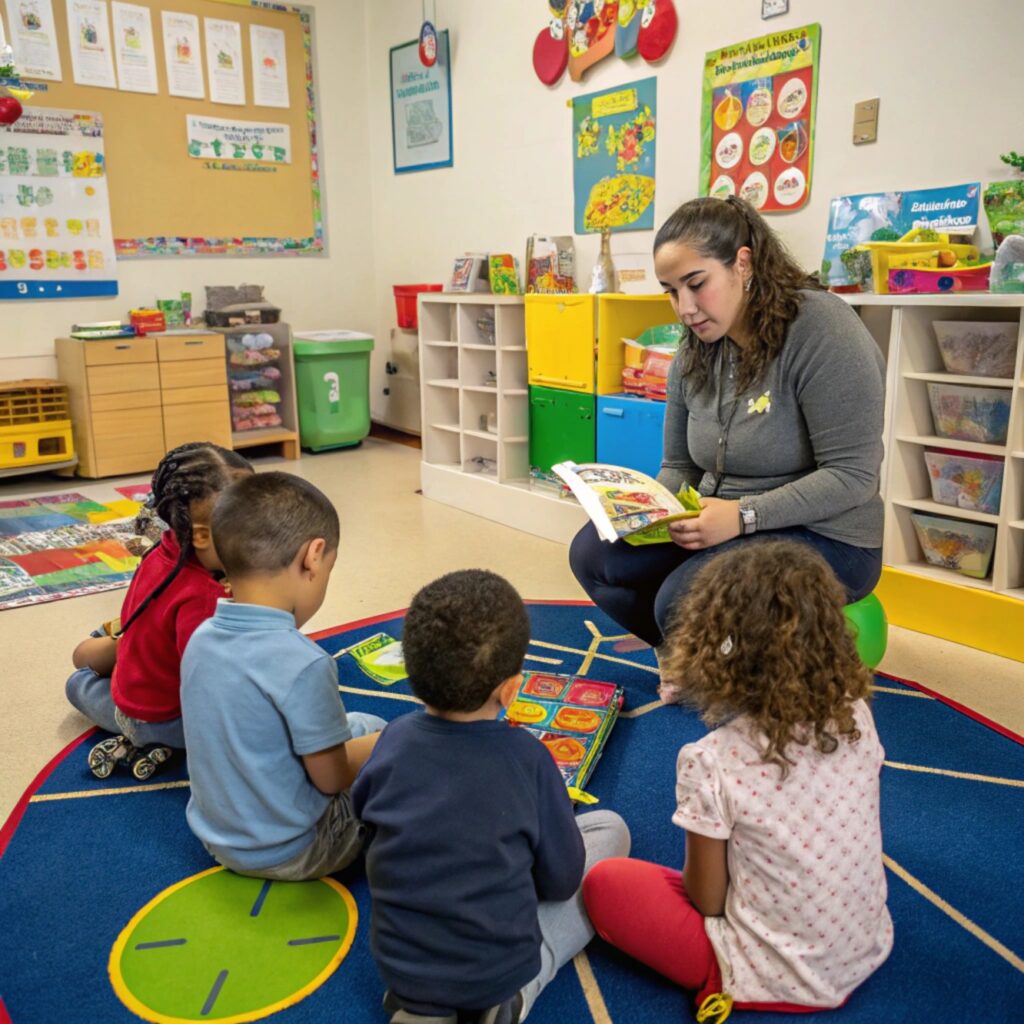
But here’s the thing — preschool teachers know that. The ability to concentrate looks very different in a preschooler than it does in older kids. Most preschool-ready children can pay attention to a short picture book being read aloud — that’s genuinely enough. Understood
If your child can sit with you for a few minutes of storytime, engage with a simple activity, or stay focused on something that interests them — puzzles, crayons, building blocks — that’s the kind of attention span a good preschool works with and builds on over time.
7. They’re Showing Signs of Wanting More
Sometimes, readiness isn’t about a checklist at all. It’s about a feeling you get from watching your child.
Are they bored at home? Are they constantly dragging you to the park to find other kids? Do they pretend to “go to school” with their toys? Are they asking questions faster than you can answer them?
Around age three, children enter what’s often described as the “magic years” — a period where their world becomes dominated by imagination, fantasy, and a hunger to understand everything around them. HealthyChildren.org
When a child is ready for preschool, you often just feel it. They need more than home can give them right now — more stimulation, more interaction, more room to grow. That’s not a reflection on you as a parent. That’s a child telling you they’re ready for the next thing.
What If They’re Not Quite There Yet?
That’s okay. Truly.
Watching your specific child — not the average timeline — is always the more useful guide. A child who doesn’t yet check every box may simply need a few more weeks or months. Meetwillo
A few things you can do in the meantime:
- Practice short separations. Leave them with a trusted family member or friend for an hour and make a consistent, calm goodbye routine.
- Set up playdates. Even one familiar friend makes the transition to a group setting feel less overwhelming.
- Read together every day. It builds vocabulary, attention span, and the ability to follow a story — all things that matter in a classroom.
- Talk about feelings. Name emotions out loud: “You look frustrated. That’s okay. Let’s figure it out together.” This builds the emotional vocabulary they’ll need.
- Visit us. A tour before the first day can make a huge difference. Familiar faces and familiar spaces ease the transition enormously.
A Note From Our Team at Super Bees Academy
We’ve been welcoming children into our Costa Mesa classrooms since 1985, and one thing we’ve learned over decades of doing this: there’s no “perfect” moment. There’s just the moment when it feels right for your family.
At Super Bees Academy, we work with children ages 2 to 5 in a warm, nurturing environment designed to meet each child exactly where they are. Our 1:8 teacher-to-child ratio — compared to the industry standard of 1:12 — means your child gets real attention, real connection, and real support as they find their footing.
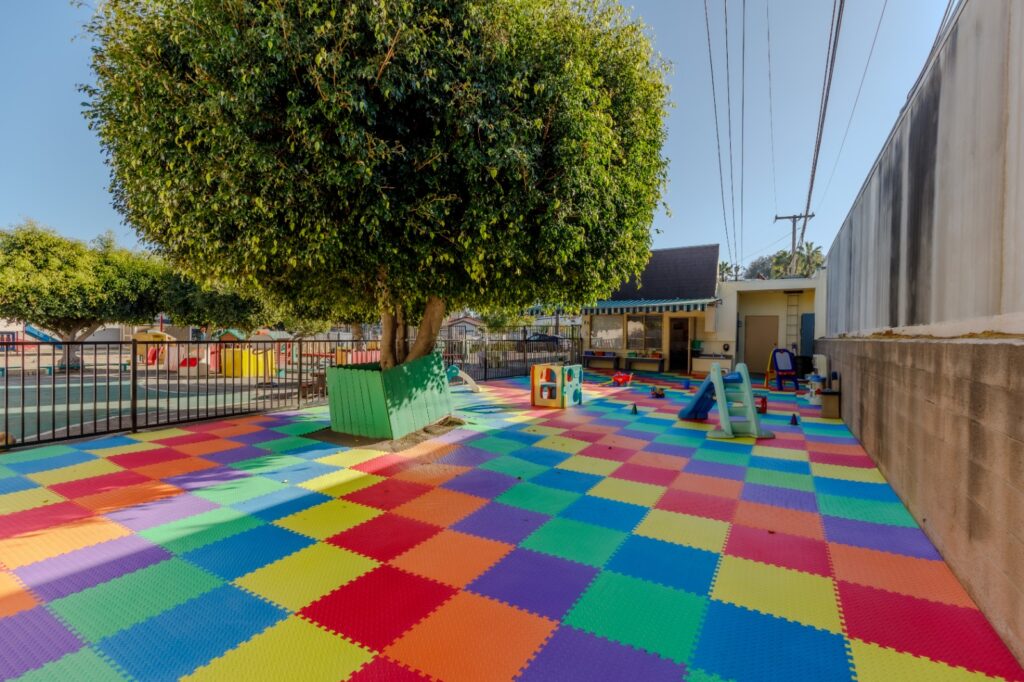
We serve hot, home-style meals. We have a large, open playground. We have secured facilities and teachers who genuinely love what they do. And we have 40 years of experience helping families through this exact transition.
If you’re wondering whether your child might be ready — or you just want to come see what a day here actually looks like — we’d love to meet you.
📞 Come See For Yourself
Schedule a tour at Super Bees Academy. 📞 (714) 540-1775 🌐 superbeesacademy.com 📍 758 Saint Clair Street, Costa Mesa, CA 🕐 Open Monday – Friday, 7:00 AM – 6:00 PM
Now enrolling ages 2–5. Spots are limited — reach out today.